





seo is good
seo is good description
Read More→
Attention is the scarcest thing online, and nothing earns it like movement. A well-made motion graphic explains in thirty seconds what a page of text never could — and keeps viewers watching to the end instead of bouncing.
The difference between animation that works and animation that's merely 'nice' is intent. Random movement is just noise. Movement with a purpose — guiding the eye, pacing the message, landing the call to action — is what turns a viewer into a customer. That's the kind we make.
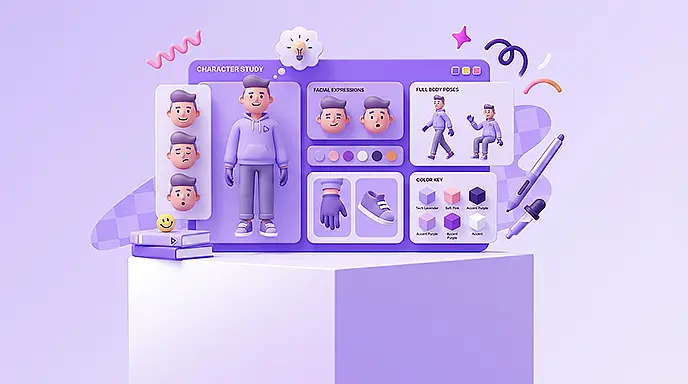
Whatever your message and budget, there's a format built for it. Explore each style:
Curious about timelines and cost? See our transparent motion graphics pricing.
Great animation is decided before a single frame moves. We start with your goal and audience, shape a script and storyboard, then lock the look and pacing — so by the time we animate, everyone already knows exactly how the final video will feel.
From there you get a clear production flow: design, animation, sound, and revision rounds, all built in. You see the work at each stage, give notes, and we refine — no disappearing for weeks and returning with a surprise.
The payoff is video that earns its place on your homepage, your ad campaign, or your social feed — clear enough to explain, polished enough to trust, and made to fit your brand rather than a generic template.
If you've ever watched an animated logo, an explainer video, or the kinetic text in a title sequence, you've seen motion graphics at work. Here's the full picture — what it is, where it came from, and why it has become one of the most effective ways to communicate online.
Motion graphics is the art of bringing graphic design to life through movement. It takes the building blocks of design — type, shapes, icons, illustration, and color — and animates them to explain an idea, set a mood, or guide attention. Unlike character animation, which centers on storytelling through personalities, motion graphics is usually about communicating information and emotion through design in motion.
In practice, it's the animated logo at the start of a video, the moving infographic that makes a statistic land, the kinetic typography in an ad, and the smooth interface animations in an app. Whenever design moves with purpose, that's motion graphics.
The roots of motion graphics reach back to the mid-20th century. Designer Saul Bass reshaped cinema in the 1950s with animated title sequences for films like Vertigo and Psycho, proving that type and simple shapes in motion could set the tone before a single scene. Around the same era, experimental animators explored abstract, music-driven visuals that helped lay the groundwork for the field.
For decades, motion graphics lived mainly on broadcast television — channel idents, news graphics, and commercials. The big shift came with personal computers and software like Adobe After Effects in the 1990s, which put powerful animation tools on the designer's desktop and turned motion graphics from a specialist craft into something far more accessible.
Then the internet changed everything. As video took over social feeds, websites, and advertising, demand for short, scroll-stopping animation exploded. Today motion graphics is everywhere — from a startup's explainer video to the micro-animations in the apps you use every day.
Most motion graphics is 2D: flat design, illustration, and typography animated on a plane. It's clean, fast to produce, and perfect for explainers, social ads, and branded content. 3D motion graphics adds depth, lighting, camera moves, and realistic materials — ideal when you need to show a product from every angle or create a more cinematic, premium feel.
Neither is inherently 'better' — the right choice depends on your message, your brand, and your budget. A simple concept often lands harder in clean 2D, while a physical product can truly shine in 3D.
Explainer videos that turn a complicated product into a thirty-second story. Social media ads built to stop the scroll. Logo animations and brand intros. Animated infographics for reports and presentations. Title sequences and lower-thirds for video content. Even the subtle interface animations that make an app feel polished. If a brand needs to communicate quickly and memorably, motion graphics is usually involved.
Human attention is drawn to movement — it's instinctive. A moving graphic earns a second glance that a static image often doesn't, and it can control the pace of a message, revealing one idea at a time so something complex becomes easy to follow. Add sound and timing, and you layer emotion on top of information. That combination is why a good motion graphic can explain, persuade, and stick in memory far better than text alone.
If you are looking for a professional way to present your services, build audience trust, and increase sales, contact us via WhatsApp or Telegram and place your Motion Graphics order. We are ready to offer the best solution based on your brand needs and budget.
Common questions before you start a project.
It depends on length, style, and complexity — a short whiteboard explainer and a full 3D piece are very different projects. We keep pricing transparent; see our motion graphics pricing page or send your brief for an exact quote.
Most projects run from a few days to a few weeks depending on length and revisions. We give you a realistic timeline upfront and keep you updated at every stage.
Not at all. We can write the script, storyboard it, and arrange voiceover and music if you need them — or work with assets you already have.
Yes. We design the look around your brand colors, fonts, and tone, so the video feels like you — not a stock template.
The latest content and practical tips on content creation and digital brand growth.